
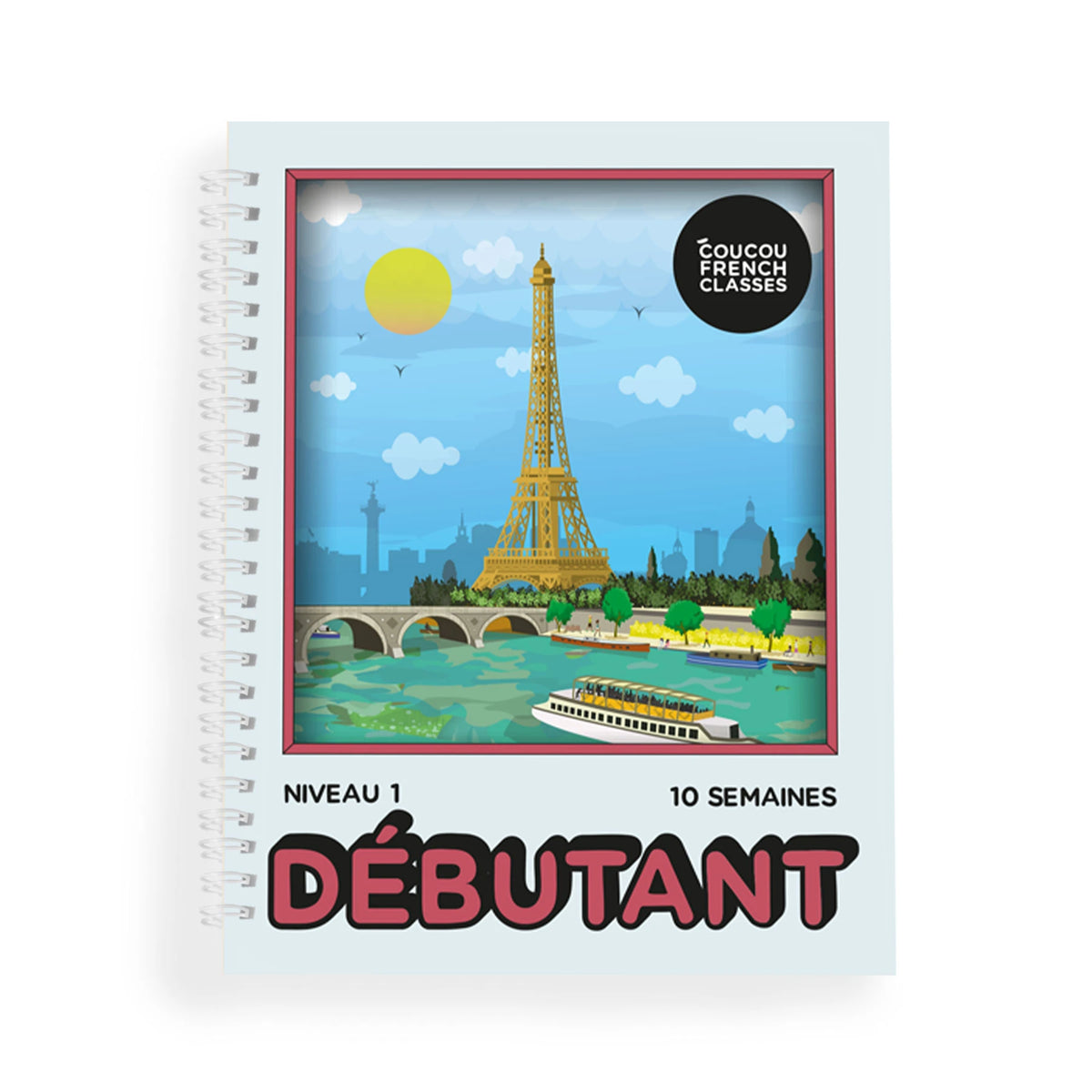
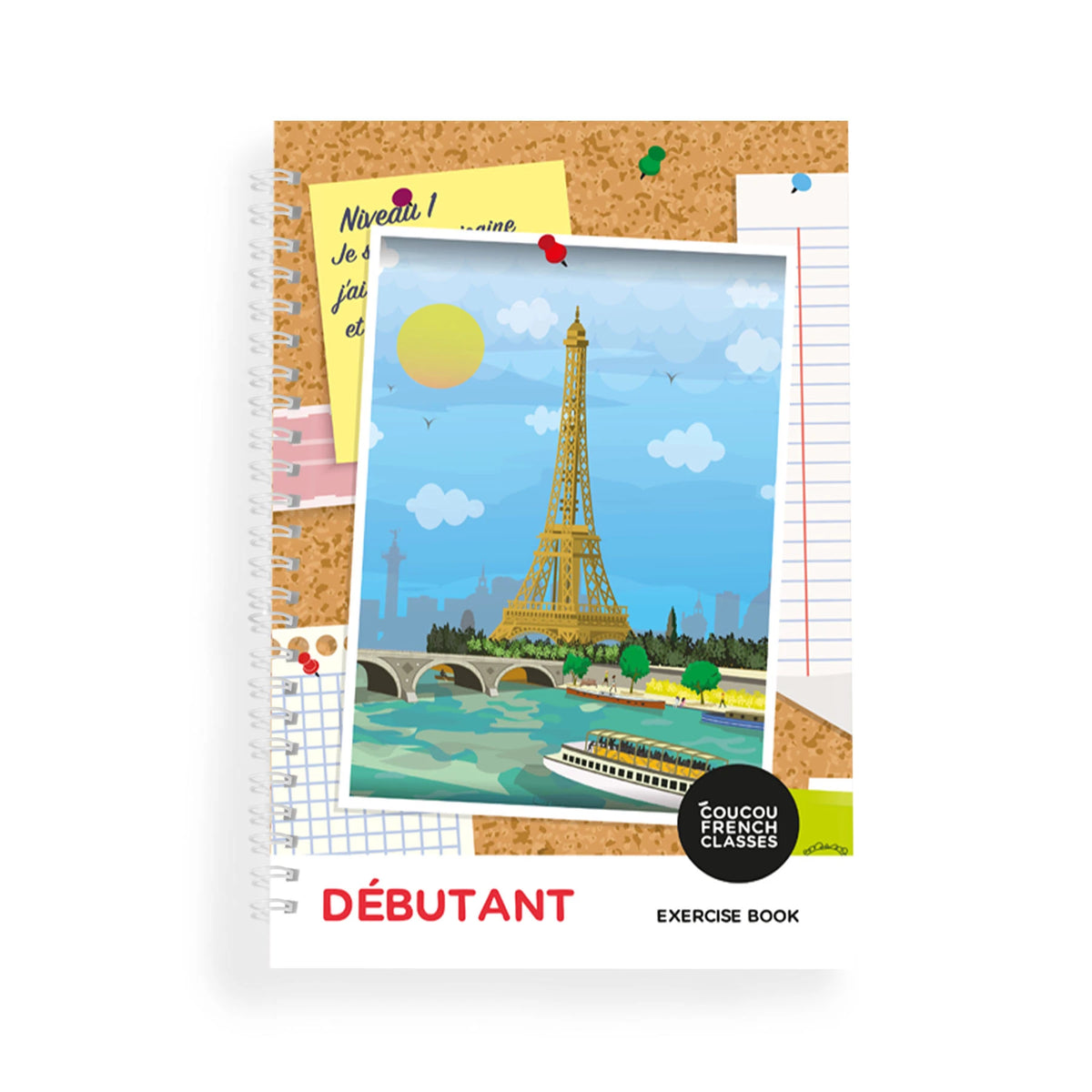
Course Book PDF
VALUE: $25


OCT 1 - DEC 10
This class gives you the foundations to understand how French sounds, how basic sentences are built, and how to start expressing yourself in everyday situations.
Level 1 gives you the foundations to understand how French sounds, how basic sentences are built, and how to start expressing yourself in everyday situations.
We start with how French sounds: the alphabet, accents, silent letters, and the letter combinations that change pronunciation. You’ll leave with a set of rules you can use when you come across a new French word.
This lesson introduces subject pronouns and the pattern behind regular -er verbs, the biggest verb family in French. You’ll use them to build simple sentences about where you live, what you do, and what you like.
You’ll cover numbers, dates, days, months, and seasons, plus a few common pronouns used after prepositions. The practical part is immediate: phone numbers, prices, birthdays, dates, and making plans.
Être means “to be” and avoir means “to have,” and they’re two of the most common verbs in French. You’ll use them to talk about who you are, where you’re from, your age and family, and expressions like being hungry, cold, or in the mood for something.
This lesson is about the small words that come before nouns: le, la, les, un, une, des, plus possessives and words like “this” and “these.” You’ll also work with gender and the contractions that come with common prepositions.
You’ll learn how adjectives agree with the noun they describe, where they usually go in a sentence, and which common adjectives come before the noun instead. Then you’ll use them to describe people, places, and things with more detail.
You’ll learn how to say how often, how well, when, where, and how much something happens. You’ll also learn the -ment pattern used to form many French adverbs, the equivalent of English endings like “-ly.”
Faire means “to do” or “to make,” but it also appears in a long list of everyday expressions. You’ll use it for sports and hobbies, chores, the weather, and plenty of weekend activities.
This lesson covers aller, “to go,” along with the prepositions used with cities, countries, and other places. You’ll also learn how to say whether you’re going by subway, by car, on foot, and more.
Your first future structure is aller plus an infinitive, the French equivalent of “going to do something.” You’ll use it to talk about plans for tonight, the weekend, vacation, or anything else coming up.
WHAT STUDENTS ARE SAYING
You’ll have access to make-up videos in your Student Portal. Each video becomes available at the scheduled time of the class you miss and covers the same lesson material, so you can easily catch up and stay on track. Please note that these are archived lesson recordings, not recordings of your specific class.
Because our classes are small, fixed groups, we reserve your spot for the entire course and may not be able to fill it if you drop out. That's why your options for changing your class depend on how far in advance you let us know:
Signature Classes have a capacity of 10–12 students per group, with groups ranging from 4–12 students depending on enrollment.
Keep the momentum going! After finishing your Signature Class, we recommend taking at least 5 Conversation Labs at the level you just completed to practice and solidify what you’ve learned.
Yes! You can choose to pay in installments at checkout.
