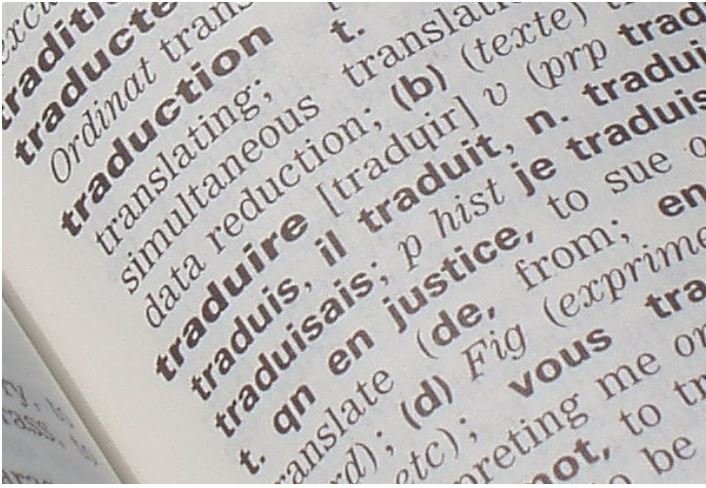
One of the most confusing things when learning French is this:
You can understand every word, and still completely miss the meaning. Not because your French isn’t good enough. But because the language reflects a very specific mindset.
French is not just about vocabulary. It’s a way of relating to:
- emotions
- responsibility
- money
- difficulty
- relationships
Here are 5 expressions that reveal a lot more than they seem.
1. “C’est pas mal” (It’s not bad)
What it reveals:
French people are uncomfortable with overt enthusiasm.
Instead of saying:
→ “This is amazing”
→ “I love it”
We’ll say:
→ “C’est pas mal”
Which can actually mean:
👉 very good
Why? Because expressing strong positive emotions can feel excessive, naive, or a bit too exposed. There’s a cultural preference for being restrained and slightly detached. (Which explains why “blasé” is a French word used in English.)
2. “Bisous” (Kisses)
What it reveals:
French people express affection… without talking about feelings.
You’ll hear “bisous” at the end of conversations. But saying “je t’aime” (I love you)? That’s a completely different level.
In French, it’s considered serious, intentional, and not casual at all. So instead, we use “bisous” or “je t’embrasse” as ways to express closeness without naming it directly.
3. “Je t’invite” (I invite you)
What it reveals:
French people have a complicated relationship with money.
If someone says:
👉 “Je t’invite”
It means:
👉 I’m paying for you.
But notice: We don’t say “I’ll pay.” We say “I invite you.” Because talking about money directly feels uncomfortable.
In France, money is private, talking about it is often taboo, and having money is not something you openly celebrate. Unlike in the U.S., where it’s often tied to success and achievement. So the language avoids it.
4. “Il faut que…” (It is necessary that…)
What it reveals:
French people often express obligation as something external.
Instead of saying:
→ “I have to do my taxes”
→ “I need to do this”
We say:
👉 “Il faut que je fasse mes impôts”
Literally:
👉 “It is necessary that I do my taxes”
The obligation doesn’t come from me. It comes from the system, society, something outside of me. This reflects a different relationship to authority, responsibility, and personal agency.
5. “Bon courage” (good luck… but not really)
What it reveals:
French people don’t wish you luck. They wish you… courage.
👉 “Bon courage”
You say it when someone has a long day ahead, something difficult is coming, or a situation is going to be unpleasant.
The underlying message is:
👉 This is going to be hard… you’ll need strength.
Compare that to English “Good luck” which suggests chance, fate, something outside your control. In French, the focus is different, it’s not about luck, it’s about endurance.
Photo by Collins Lesulie on Unsplash
Why this matters
You can learn all the vocabulary you want. But if you don’t understand what people avoid saying, how they express things indirectly, and what feels uncomfortable culturally, you’ll still feel lost.
Because language is not just about meaning, it’s about mindset.
One last thing
This is also why I always say:
👉 Learn to understand these nuances…
But don’t rush to use them. Because what matters is not just what something means, but when, how, and with whom it is used. And that takes time.
Léa Perret